

No Spotify. No Apple Music. No DSPs. Just music, sold direct to the fans who actually care.
More artists are skipping streaming platforms entirely and selling music direct-to-consumer. Not as a fallback. As the entire strategy.
It's a trend worth paying attention to — and a few recent examples show why it works.
JJerome87: A Solo Album With No Streaming, No DSPs, No Middlemen
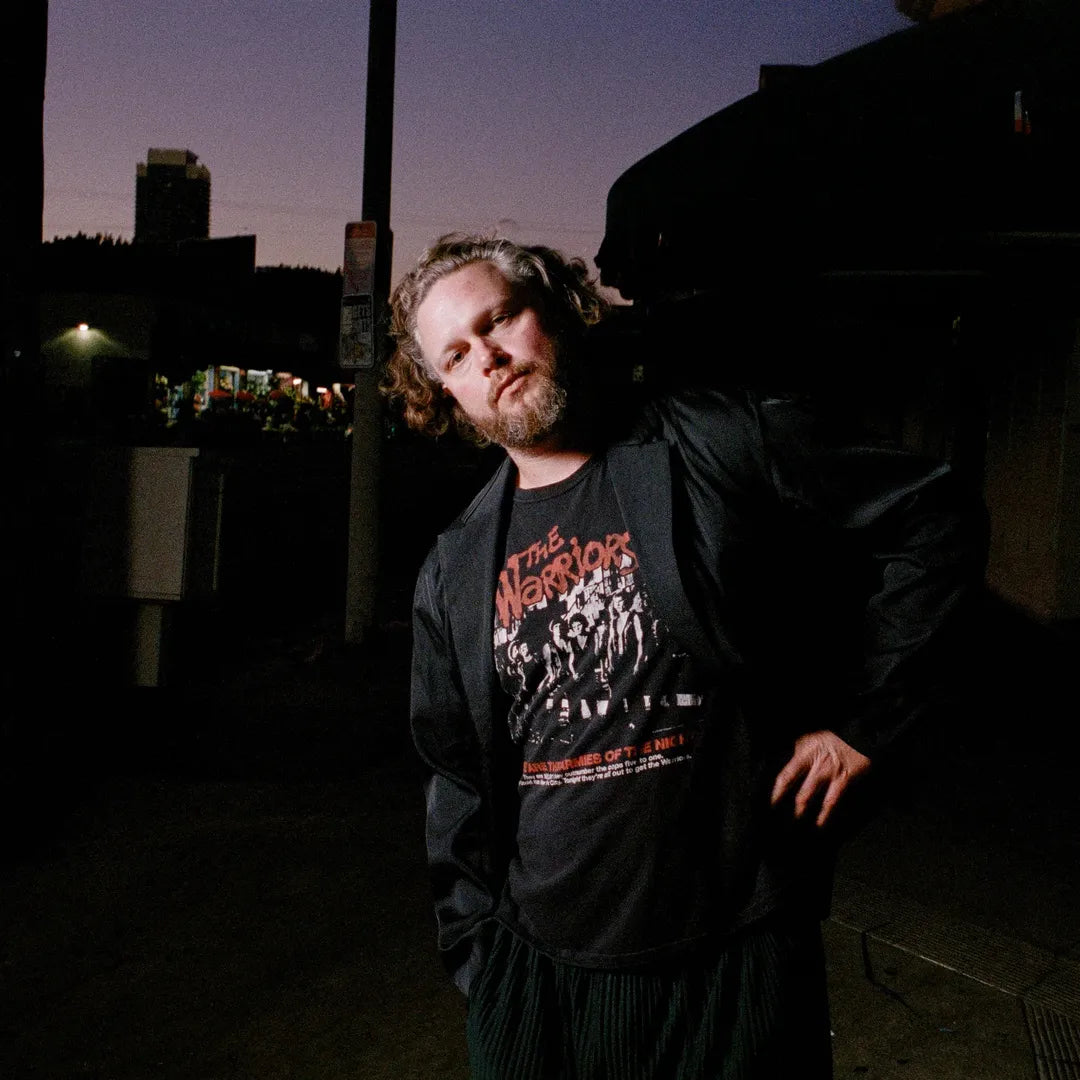
Joe Newman is the lead vocalist and guitarist of alt-J, the Mercury Prize–winning British art-rock band. He's not big on social media. He just wants to make music and connect with fans who actually care.
At the end of 2025, Newman released a solo album called The Canyon under the moniker JJerome87. No Spotify. No Apple Music. No DSPs at all. Instead, he posted a straightforward message on Instagram explaining exactly how he wanted to release the album — and why. No PR spin.

Head to his site at jjerome87.com and the offering is simple: a digital download available for purchase. That's it. Fans who want the album can buy it directly from him. Not ready to commit? Sign up for his mailing list and get a free track, "Brush Me Like a Horse," as a download. Something for everyone — without a single algorithm in the mix.
Why This Approach Works
The response speaks for itself. Fans on Reddit are calling The Canyon their album of the year — and pointing out that the exclusivity makes it feel special.

Newman's approach was disarmingly honest. He told fans their support is what lets him keep making music without needing a day job. He talked about becoming a father, working with a new producer in LA, how the album represents a creative leap forward.
That kind of transparency builds loyalty no playlist placement can buy. And he's not the only one doing this.
Vinnie Paz: A Song-of-the-Month Club, Powered by Single
Vinnie Paz — the underground hip-hop legend and Jedi Mind Tricks frontman — has been running The Hidden Temple Song Club through his own store, powered by Single. It's a year-long membership that delivers one unreleased track every month, tracks that will never hit streaming platforms.

After 12 months, members receive a limited-edition vinyl pressing of all 12 songs, signed by Paz himself. What could have been a standard vault dump became something fans look forward to every single month. The vinyl isn't just merch — it's a collector's piece that rewards fans for being part of the journey from day one.
Different artist. Different genre. Same energy: real music, direct to fans, revenue that belongs to the artist.
The Bigger Picture
These aren't isolated experiments. They reflect a real shift in how artists think about releasing music.
For years, the default release playbook has been the same: distribute everywhere, chase playlist placements, post on TikTok, and hope the algorithm picks you up. It works for some. But for many artists, it's exhausting — and the economics don't add up. When streaming payouts hover around fractions of a penny per play, even significant numbers don't always translate into a sustainable income.
DTC flips the model. Instead of chasing millions of passive listeners, artists focus on the fans who are already paying attention. The ones who will buy an album because they believe in the artist. The ones who will join a membership because they want to be part of something.
And the tools to do this have never been more accessible. Platforms like Single make it straightforward for artists to sell digital downloads, run memberships, and fulfill physical products — all through their own Shopify store.
The Takeaway for Artists
If you're tired of the release checklist — the TikTok hamster wheel, the algorithm game, the endless content creation that has nothing to do with your actual music — there's another way.
Artists like JJerome87 and Vinnie Paz are proving that you don't need to be everywhere to build something meaningful. You just need to be where your fans are, with something worth buying.
For a lot of artists, going DTC isn't even about the money. It's about control. It's about doing things on your own terms. It's about building something real with the people who actually care about your work.
That might not be the right move for every artist at every stage. But it's a path worth considering — and the artists who are choosing it aren't looking back.
